


Neuralink’s latest demonstration shows a clinical trial participant playing Grand Theft Auto VI without holding a controller. But with GTA 6 still unavailable on PC, how does a brain implant interact with a game released exclusively for consoles?
As we previously reported, the participant navigated boats, flew aircraft and engaged in combat using only imagined movements. The demonstration raises an interesting technical question about how Neuralink’s brain-computer interface communicates with PlayStation hardware.
The answer is that Neuralink does not need a PC version of the game. Its brain-computer interface (BCI) can translate intended movements into digital commands, which can then be mapped to the inputs of a conventional game controller.
Rockstar Games launched GTA 6 worldwide on 19 November 2026 for PlayStation 5 and Xbox Series X|S, leaving a PC version for later. Neuralink shared its two-minute gameplay demonstration the following day, showing a participant navigating boats, flying aircraft and fighting opponents using imagined movements.

How Neuralink communicates with a game controller
In the video, a live neural-decoding display appears alongside an on-screen PlayStation controller. The controller graphic responds as the participant generates different inputs through his implant.
For example, imagining a ring-finger tap activates the square button, while imagining his right hand moving forward produces an input used to raise an aircraft’s nose. The participant also describes adding a foot-related control to expand the available commands.
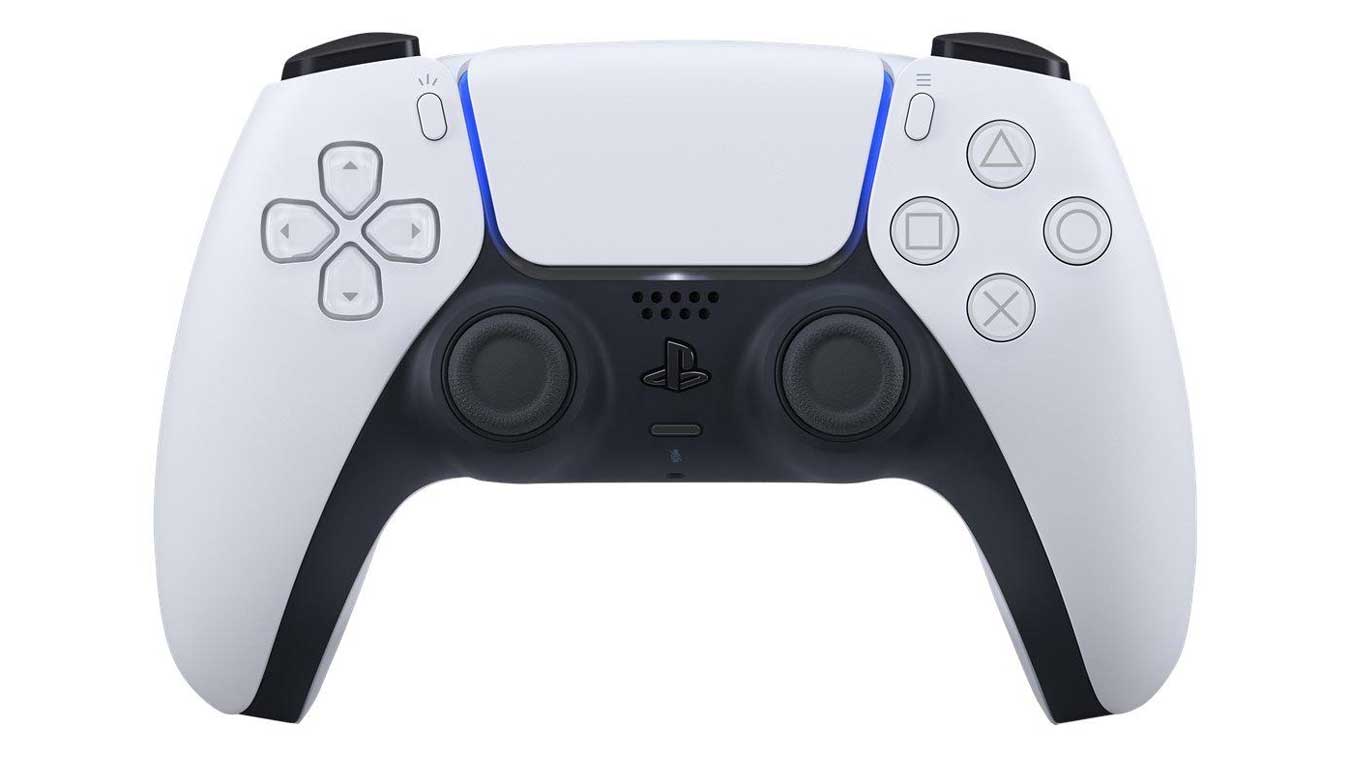
The implant is not reading the game’s code or controlling its characters directly. Instead, it interprets patterns of neural activity associated with intended movements and translates them into commands that gaming hardware can recognise.
This distinction explains why the game does not need to run natively on a computer connected to the implant.
A controller adapter helps bridge the gap
Additional details about the console connection emerged from Robert Dale Smith, who works on brain-computer interface applications at Neuralink.
According to Inven Global, Smith described work enabling Neuralink to control devices including the PlayStation 5, with support from JoypadOS, firmware he developed for controller adapters.

Such adapters can translate input commands between different controller protocols, potentially allowing an alternative input device to interact with a console as a compatible controller.
The report provides an explanation of how Neuralink could support console gaming, although Neuralink’s original demonstration did not publish a complete hardware diagram or independently confirm every component of the setup.
What the demonstration actually proves
The video shows a participant using imagined movements to operate a complex commercial game without a conventional handheld controller. It does not establish that GTA 6 is running on a PC or that a PC edition has become available.

Nor does the short demonstration establish how reliably the system performs during extended gameplay or whether other participants can achieve comparable results.
Neuralink says its implants remain investigational and have not received approval from the US Food and Drug Administration or other regulatory authorities.
The demonstration nevertheless illustrates how a brain-computer interface can extend beyond desktop cursor control to devices that ordinarily depend on physical controllers.


